Buying a pied-à-terre in New York City sounds dreamy—you get all the comforts of home when visiting rather than feeling like a tourist. Yet this type of purchase is distinct from buying a primary residence.
For starters, condo and co-op buildings typically have rules about second-home ownership, and financing a second home is not the same as financing a primary residence. Then there are taxes—including the newly enacted and currently contested pied-à-terre tax—that can add significantly to the cost.
Still, you don’t have to navigate this process alone. NYC brokers regularly work with people who want a part-time stake in the city, and they can help you identify buildings and neighborhoods that are best.
Whether you go it alone or enlist some help (highly recommended), here are some common questions about buying a pied-à-terre in NYC.
[Editor’s note: An earlier version of this post was published in March 2020. We are presenting it again with updated information for September 2026.]
Who is a pied-à-terre for?
The stereotypical second-home buyer is someone who spends tens of millions on a prestige apartment on Park Avenue that sits empty much of the year—and that buyer certainly exists, confirmed Vicky Barron, a broker at Compass.
But according to Peter Zaitzeff, a broker at SERHANT, the buyer pool is more diverse than people assume. He listed international buyers, suburban commuters, executives, and empty nesters. “Many are not seeking trophy apartments; they want a convenient, secure, low-maintenance home in the city,” he said.
Barron echoed that idea, citing a former client who moved to Florida 22 years ago and, now in her 70s, wanted to spend more time here. “Amazingly, she found a modest one bedroom in the very building she used to live in,” Barron said.
Both brokers said parents visiting their adult children and grandchildren are another common demographic. “This being NYC, their kids’ apartments often can’t accommodate them, so an alcove studio or small one bedroom gives the parents a place to stay while spending time with family—and without always needing prior clearance,” Barron said.
Last are investors—often foreign—who want a place to offer to their friends (more on this idea below). NYC is still one of the most desirable places to invest in real estate.
The takeaway: There isn’t one typical pied-à-terre buyer—or one typical reason for buying one.
What’s better for a pied-à-terre: a co-op or condo?
Condos are usually much more flexible in allowing pied-à-terre buyers.
With co-ops, however, “it’s really building-specific,” Barron noted. Some explicitly prohibit pieds-à-terre; others consider them on a case-by-case basis, which often means they’ve allowed pied-à-terre owners in the past, had problems, and now have concerns.
A good broker with experience navigating these types of purchases can be a game-changer, so do your homework, including looking at listing agents for properties marketed as a pied-à-terre.
Finding the right building is only part of the equation. Zaitzeff said demand is strongest in well-connected Manhattan neighborhoods near businesses, restaurants, shopping, and cultural institutions, while Barron said Brooklyn is especially popular and some recent clients bought in Queens.
For the board and management, two general concerns are how often you plan to be at the apartment and who will have access when you’re not.
According to Steven Wagner, an attorney at Adam Bailey Lietman, buyers should be crystal clear about their intentions and make clear that this is for their use—and not anyone else’s without prior approval. “The board is going to be very sensitive to this, particularly in a part-time situation,” he said.
Robert Braverman, an attorney at Braverman Greenspun, who practices co-op and condo law, said most buildings will allow only immediate family to stay in your absence. “And some, particularly co-ops, are even more restrictive and require co-occupancy with the owner of record, regardless of the relationship,” he added.
For a real-world example, Barron recalled a client who had to sign an agreement stipulating that his children could not stay at the apartment unless he was there.
Boards have a vested interest in knowing how you plan to use the apartment while you’re there, too. Working remotely from a pied-à-terre is generally different from running a business out of it, particularly if your work brings clients or other regular visitors into the building. In a co-op, such activity may be subject to board rules or approval, and even in a condo, restrictions on commercial use, building activity, or zoning may apply.
Zaitzeff summed it up this way: “Every building has different rules. Buyers should disclose their intended use and have their attorney review the building’s policies before purchasing.”
Can I sublet a pied-à-terre?
Short-term rentals should never be assumed to be permitted, Zaitzeff said. “Condos are typically more flexible than co-ops, although minimum lease terms and board applications may apply.”
“Regardless of whether the building is a co-op or condo, it almost always has specific rules in place about subletting or renting,” Braverman said.
And among co-ops, those rules can vary considerably. “You have some that always permit it, and others that never do,” Barron said. Those that do often require owners to wait one to three years before subletting, and may follow the so-called “two/five” policy, which allows a unit to be sublet for a total of two years during any rolling five-year period.
The rules can be counterintuitive. For example, she pointed to one building that prohibits an owner’s sister from staying in the apartment while the owner is away, yet allows the apartment to be rented out.
The lesson? If you may want to sublet your pied-à-terre—even occasionally—make that part of your criteria from the start and find out exactly what the building permits.
Can I bring pets?
Not all buildings are pet-friendly, so let your broker know if you plan to bring your four-legged friend(s) to your NYC pied-à-terre—and whether it’s near a dog run or other green space.
Even pet-friendly buildings can impose restrictions, such as allowing only cats or dogs of a certain breed or size, as well as limits on the total number of animals.
Also consider how your pooch will handle the cacophony of city streets and being left alone in an unfamiliar place (with unfamiliar noises). Barking dogs will likely draw complaints.
Will I be able to renovate?
Generally speaking, you don’t have carte blanche when it comes to updating an apartment—whether you are a primary or second-home owner. People used to living in a private home might be surprised by this because they’re accustomed to doing things on their own.
While both condos and co-ops have rules about renovations, co-ops tend to be more restrictive. Always ask the management agent about the building’s rules and have your attorney carefully review the alteration agreement. Condos, for instance, have governing documents that can require approval for updates, particularly those affecting common elements.
Barron said some co-ops impose a waiting period of one to three years after purchasing an apartment. Others, especially high-end co-ops, restrict construction to specific working hours and time of year—for example, only during the summer months, when presumably more residents are away.
And Zaitzeff said buyers should be prepared for the possibility that updating an older apartment could require costly electrical or plumbing work.
So before buying a fixer-upper, find out not only whether the building permits renovations but when you can do the work and how you’ll manage it when you’re not in town.
What amenities can I get?
Buying an apartment in a full-service building can afford you a sense of security that may be difficult to put a price tag on.
Specifically, having a doorman who can accept packages—and a dedicated storage room for them—are important factors for pied-à-terre clients.
The convenience of an on-site health club means you don’t have to join a gym that you’re not around to use (or have to pay daily fees to use). Plus, you may not want to schlep your stuff without a locker.
Can I get financing?
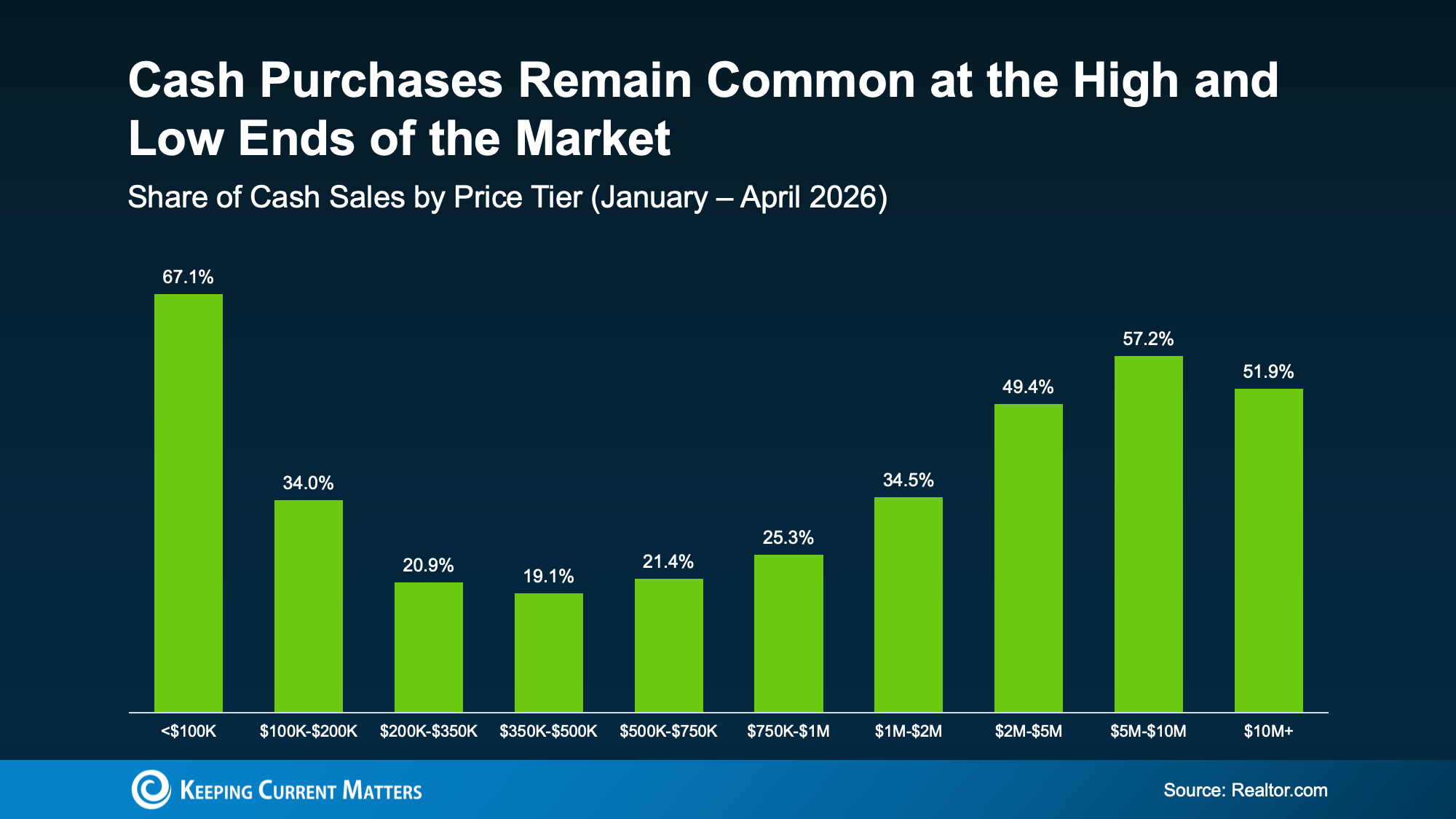
Even though a significant share of her pied-à-terre buyers pay cash, Barron said some cash offers are ultimately financed in part.
Financing a pied-à-terre purchase in NYC can be more complicated than for a primary residence. Lenders generally want to make sure the apartment is genuinely a second home rather than an investment property, and borrowers who live within 60 miles may face additional scrutiny or different loan terms. In some cases, however, a buyer may qualify for second-home financing by demonstrating a legitimate personal need for the apartment—known as the pied-à-terre exception—but lenders may impose higher interest rates or stricter underwriting requirements.
The tax treatment on either the purchase or sale of the property can differ too, which is why prospective buyers should always consult their financial advisor first to make sure it’s feasible.
Another significant hurdle: Co-ops have much stricter financial requirements than condos, though at least some boards are becoming more flexible.
On the flip side, carrying costs in a condo are higher than in a co-op, which can be a turnoff if you are only here a few weeks or months a year.
Are there additional taxes?
NYC has a new pied-à-terre tax for non-primary residences. The surcharge tax takes effect for the 2026 tax year, with first payments due on Jan. 1st 2027. It applies to one- to three-family homes with a market value at least $5 million and condos and co-ops with a market value of at least $1 million.
Rollout of the new tax is proceeding while it faces a lawsuit, so prospective buyers at this price point will want to monitor the progress of the case.
Regardless, you still need to budget for a one-time mansion tax levied on properties of $1 million or more. The scaled fee is based on the sales prices and it starts at 1 percent of the purchase price. The tax rate for properties above $2 million is 1.25 percent. For properties above $3 million, it is 1.5 percent.
Who will handle repairs and emergencies?
Another thing to weigh carefully is who will handle repairs while you’re away.
The most frequent types of damage that occur in pieds-à-terre are the same as in full-time residences, said insurance broker Jeff Schneider, president of Gotham Brokerage. These include water damage from broken pipes or an overflowing bathtub, sink, or dishwasher. “But the issue in a pied-à-terre is that damage can be quite severe before you discover there’s a problem,” he said.
This is where living in a building with a 24-hour super can be essential, so problems can be addressed quickly. (Aim for one of these pied-à-terre-friendly buildings.)
In addition, make sure the management company has your contact information (and a friend or neighbor has an extra key) in case of an emergency.
Barron said owners often develop a rapport with the building super, who can keep an eye on the apartment while they’re away. That might mean checking in periodically for signs of a problem—or even bringing in the mail.
“That’s common, especially during winter,” Barron said, when an apartment may sit empty for months and a plumbing problem can go unnoticed.
She also suggested hiring a company that help pieds-à-terre owners keep eyes on their properties—this can be particularly important for townhouses that may be empty for periods of time. This management company is one option.
And if your apartment is ever rented out, Schneider said you need to notify the insurance company to avoid having your coverage voided.
—Earlier versions of this article contained reporting and writing by Tripp Whetsell.